System on Chip (SoC) vs Single Board Computer (SBC): Key Differences and Applications
2024-06-03
13615
Catalog

Figure 1: System-on-Chip
What Is a System-on-Chip (SoC)?
System on chip (SoC) is an integrated circuit that combines various components into a single silicon chip. These components include processors, memory, input/output interfaces, and peripherals such as UART, SPI, USB, I2C, PCI, and SATA. SoCs are widely used in portable devices such as smartphones and laptops, providing powerful processing capabilities and high energy efficiency in a compact size.

Figure 2: System-on-Chip
For example, in a sound detection device, an SoC can include an analog-to-digital converter (ADC), an audio receiver, RAM, a microprocessor, and logic control for a user interface (UI). This integration saves space and improves efficiency. Users can input commands through a simple interface, and the system quickly processes and responds to sound information according to the set parameters.
SoCs are also effective in the field of advanced technology. For example, nanorobots use SoC-based systems to perform complex biomedical tasks such as fighting diseases. They receive precise instructions from a control center and execute them accurately, surpassing the capabilities of traditional devices. For the visually impaired, SoC-based video devices can be implanted in the brain to convert external visual signals into recognizable signals through specific algorithms, helping users "see" the outside world. Similarly, SoC audio devices can convert sound into other sensory signals, such as touch, allowing the hearing impaired to perceive sound.
The performance of SoCs is further enhanced by silicon-on-insulator (SOI) technology, which adds an insulating layer to the silicon wafer. This reduces power consumption and increases clock speed, suitable for long-term operation or high-speed processing applications. This combination of technologies makes SoCs more efficient in running complex algorithms and handling high-frequency interactions, significantly reducing energy consumption and improving system responsiveness.
Advantages of SoC
System-on-chip (SoC) technology is essential in modern electronic devices, integrating all necessary functions into a single chip and minimizing the need for external components. The following are the main advantages of SoCs.
Compact size and high integration: A major advantage of SoCs is their small size. They can integrate a variety of functions, from basic computing cores to complex sensor interfaces, suitable for space-constrained applications such as wearable devices or smart sensors. For example, in a smartwatch, an SoC manages data processing, Bluetooth, and Wi-Fi communications within a single microchip.
Design flexibility: SoCs offer exceptional flexibility during the design phase. Designers can customize SoCs to meet specific requirements by choosing the right processing power, memory configuration, and energy efficiency. This customization not only improves performance but also allows adjustments when project requirements change, reducing the need for redesign.
Cost-effectiveness: Integrating multiple functions into a single chip can bring significant economic benefits. In mass production, SoCs can reduce material costs and assembly time. For specialized tasks such as video processing or data encryption, SoCs can include dedicated hardware accelerators that are more efficient and consume less power than general-purpose processors, making them suitable for battery-powered devices.
Protection and cost control: For mass-produced products such as smartphones and tablets, SoCs help protect intellectual property and make it more difficult for competitors to copy the design. Higher integration also reduces potential points of failure, improves product reliability, and reduces after-sales service and warranty costs.
Disadvantages of SoC
While system-on-chip (SoC) technology has many significant advantages, it also has limitations. The following are the main disadvantages of SoC.

Figure 3: System-on-Chip
Lengthy design cycle and complexity: Designing an SoC is a long and complex process that typically takes 6 to 12 months or even longer from concept to final product. This period includes multiple stages: requirements analysis, system design, circuit design, verification, and testing. For example, when creating an SoC for a smart home application, engineers must integrate WiFi, Bluetooth modules, and high-performance processors. Each stage involves rigorous testing to ensure functionality and reliability. This high level of integration significantly extends the development cycle.
High resource and skill requirements: The design and implementation of SoCs require specialized skills and advanced manufacturing resources. From silicon wafer manufacturing to micro packaging, each step requires expertise and technical support. This can be a challenge for teams with limited resources or experience. For example, small startups may lack the funds required to develop expensive SoCs, hindering their ability to adopt this technology.
Cost-effectiveness and production volume: SoCs may not be cost-effective for small-volume products. The cost of designing and manufacturing a specialized SoC can far exceed the cost of using standard components. In this case, using standard microprocessors and peripheral components can be more economical and flexible, allowing the team to focus on software development. For example, when producing a dedicated medical device limited to a few thousand units, it may be more reasonable to assemble a system using common components. This approach reduces the initial investment and shortens the development cycle.
Applications of SoC
System-on-chip (SoC) technology is widely used in modern electronic devices due to its integration capabilities and efficient performance. From everyday smart devices to professional industrial applications, SoC plays a role in various fields. The following is a detailed application of SoC in different devices.

Figure 4: Applications of System-on-Chip
Smartphones and wearable devices: In smartphones and smartwatches, SoC optimizes device performance, improves energy efficiency, and enhances multitasking capabilities. For example, the SoC in a smartphone can integrate a high-speed CPU, GPU, RAM, storage controller, and communication modules such as LTE, Wi-Fi, and Bluetooth. This integration enables the device to run multiple applications smoothly while maintaining a long battery life. Users experience better responsiveness and smoother operation, especially when processing high-resolution videos or complex graphics.
Tablets and computers: SoCs provide similar advantages in tablets and thin and light computers. These devices often require high-performance processors and graphics units to perform complex tasks while maintaining a sleek design. For example, an SoC-based tablet can support high-definition video conferencing and 3D gaming without sacrificing battery life. Users can enjoy powerful performance and long periods of use even in demanding applications.
Internet of Things (IoT) and Home Automation: In IoT devices and home automation systems, SoCs emphasize communication capabilities and low-power operation. These devices often need to run continuously and rely on small energy sources such as batteries or solar panels. SoCs in these applications integrate low-power microprocessors and interfaces that support multiple communication standards, allowing efficient data exchange with other system components or cloud services. Users can remotely monitor and control home security systems or thermostats, and the devices respond quickly and efficiently.
Embedded Systems and Microcontroller Applications: In specialized embedded systems, such as industrial controllers or medical monitoring devices, SoCs provide the necessary computing resources and customizable interfaces. These SoCs process sensor data and execute complex algorithms to make real-time decisions or control mechanical parts. For example, in a heart monitoring device, the SoC collects electrocardiogram data, analyzes heart rate variability, and sends alerts to medical staff in real-time. This ensures timely intervention and accurate monitoring.
What Is a Single Board Computer (SBC)?
A single-board computer (SBC) is a compact computing device that integrates all necessary components onto a single circuit board. This includes a microprocessor, memory, input/output interfaces, and other basic computing functions, enabling it to operate independently without external expansion. The flexibility of SBCs makes them ideal for education, industrial automation, and embedded system control.
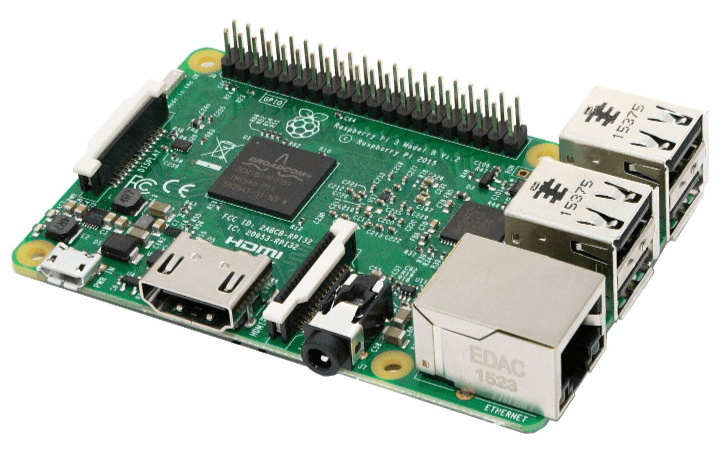
Figure 5: Single Board Computer
SBCs are designed to be simple and efficient. Basic models use static RAM and low-cost 8-bit or 16-bit processors and are suitable for teaching or simple control applications. In an educational setting, basic SBCs can be used to teach programming and electronics basics. Students interact directly with the hardware and observe how their programs affect the device in real-time. This hands-on approach helps them understand the direct impact of their code.
While SBCs do not typically rely on expansion slots, some advanced models allow for more functionality through a backplane. This includes the addition of USB ports, network interfaces, or other specific modules. This functionality is used in industrial automation, where customization and expandability are often required. For example, additional sensor interfaces or more complex data processing modules can be added to meet specific needs.
For applications that require higher performance, SBCs can be equipped with multi-core processors and large amounts of RAM. These configurations are essential for complex data processing and multi-tasking, making them suitable for blade servers or advanced embedded computing tasks. In data centers and machine control systems such as automated production lines, high-performance SBCs can process large amounts of data in real time to ensure the efficient operation of the system.
Advantages of SBC
Single-board computers (SBCs) are used in a variety of applications because of their unique design and functionality. The following are the advantages of SBCs and show how these advantages lead to efficient and flexible computing solutions.

Figure 6: Single Board Computer
Ease of use and accessibility: SBCs are very user-friendly, and even people with limited technical knowledge can use them. Simple interfaces and pre-installed software allow users to get started quickly. In educational environments, students and teachers can use SBCs for programming and experiments without having to have an in-depth understanding of complex hardware systems. This ease of use accelerates the learning process and lowers the barrier to entry.
Hardware reliability and cost-effectiveness: SBC hardware is rigorously tested and validated to ensure stability and reliability. This pre-validated design reduces the risks and costs associated with design defects. In commercial applications, this reliability can ensure long-term operation and minimize maintenance and troubleshooting requirements.
Customizability and adaptability: The flexible design of SBCs allows users to customize them to specific needs. With a modular design, additional memory, storage, or communication interfaces can be added. For example, in industrial control systems, additional I/O ports and sensor interfaces can be integrated as needed to achieve more precise monitoring and control of production processes.
Supply Chain Simplification: Using SBCs simplifies supply chain management because all major components are integrated on one board. This integration reduces the complexity of procurement and logistics, lowers management costs, and improves assembly efficiency. This is particularly beneficial when a large number of devices need to be assembled and deployed quickly.
Faster Market Introduction: Compared with SoCs, SBCs generally have shorter design and production cycles, enabling products to enter the market faster. In the rapidly evolving technology field, this rapid market response is invaluable. For startups, quickly launching SBC-based products means they can more quickly verify market demand and quickly iterate product features.
Disadvantages of SBC
While single-board computers (SBCs) excel in many areas, they also have limitations that must be considered in certain situations. Here are several key disadvantages of SBCs, including challenges and impacts in specific applications.
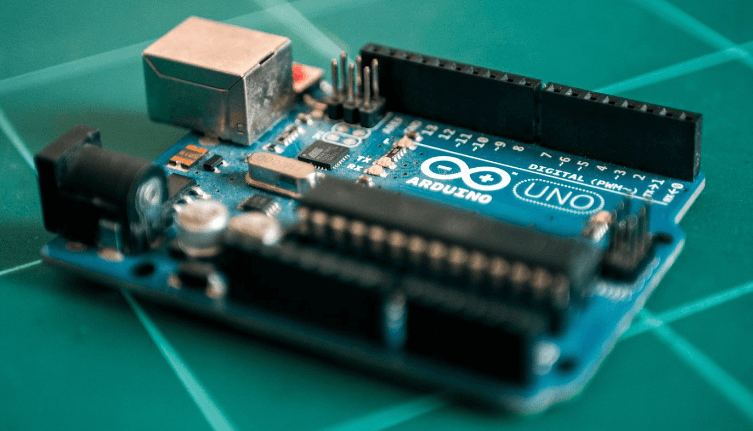
Figure 7: Single Board Computer
Cost-effectiveness and mass production: For mass production, the personalized design of SBCs may lead to higher engineering costs, especially in the case of high-volume customization. In this case, standardized solutions or dedicated SoCs may be more cost-effective. For example, manufacturing thousands of identical devices using custom-designed SoCs can reduce unit costs through economies of scale. In contrast, the personalized components of SBCs may add additional design and verification expenses.
Customization and flexibility: While SBCs offer some customization capabilities, their capabilities are not as extensive as those of SoCs designed for specific applications. SoCs can be customized at the silicon level to integrate specific communication protocols or enhanced security features that are difficult to achieve with SBCs. For applications that require highly optimized data processing or special power management features, SBCs may not offer the same level of integration and performance optimization as SoCs.
Knowledge investment and long-term planning: If the same SoC is used for multiple product lines, it may be more cost-effective to invest in the development of a general-purpose SoC solution. This strategy can spread development costs over multiple projects, improving overall ROI. In contrast, using a different SBC configuration for each new product or project, while flexible in the short term, leads to duplicated design work and lower resource efficiency in the long run.
Operational limitations: SBCs may have limitations in supporting specific functions. For example, in complex industrial applications that require multi-channel high-speed data transmission, standard SBCs may lack sufficient data bandwidth or necessary interface customization. This can limit system performance and scalability. Users need to consider during the design phase whether a more complex platform or customized hardware solution is needed to meet these requirements.
Applications of SBC
Single-board computers (SBCs) have become indispensable components in many fields due to their flexibility and powerful functions. Below, we will discuss specific use cases of SBCs in Internet of Things (IoT) gateways, smart asset monitoring, and artificial intelligence (AI) applications.

Figure 8: Applications of Single Board Computer
Internet of Things (IoT) Gateway: In IoT applications, SBCs act as intelligent gateways that collect and process data from various sensors and transmit them to the cloud or other network systems. For example, an SBC-based IoT gateway can connect to temperature, humidity, and light sensors to monitor environmental conditions in real-time. The SBC processes this data and sends it to a central monitoring system via Wi-Fi or cellular networks. Users can view data, receive alerts, and adjust settings remotely through mobile applications. This setup allows highly automated and instant data access for convenient remote monitoring and management.
Smart Asset Monitoring: SBCs excel in smart asset monitoring by tracking and reporting the status and location of high-value equipment. For example, in the transportation industry, SBCs can integrate GPS and other sensors to provide real-time data on cargo location, speed, and environmental conditions. This helps companies optimize logistics and enhance asset security. Operations involve setting thresholds that trigger alerts and automatically recording events. While this increases operational complexity, it significantly improves monitoring efficiency and asset management.
AI applications: In AI applications, SBCs are often used in edge computing devices to handle tasks such as image recognition and sound analysis. These devices use the processing power of the SBC to execute complex algorithms locally, reducing reliance on cloud services, thereby reducing latency and increasing response speed. For example, in a security system, the SBC can instantly analyze surveillance video to identify abnormal behavior and immediately send alerts to security personnel. This application requires the SBC to have sufficient computing power and fast data processing speed to meet real-time analysis needs.
Key Differences Between SoC and SBC
SoCs (System on Chip) and SBCs (single-board computers) are both essential in modern computing devices, but they differ greatly in design, functionality, and applications. Below is a detailed comparison of the two technologies, highlighting their unique features and uses.

Figure 9: Difference Between SoC and SBC
Integration and Components
SoCs integrate multiple electronic components onto a small piece of silicon, including processors, memory, input/output controllers, and communication interfaces. This high level of integration makes SoCs compact and efficient. In contrast, SBCs are printed circuit boards that house all the necessary components, such as RAM, storage, power management modules, and various connection ports. While SoCs are part of SBCs, SBCs contain additional hardware components, making them larger and more functional.
Physical Form
SoCs are typically very small, making them ideal for embedding in space-constrained devices such as smartphones and tablets. SBCs are larger and can accommodate more hardware components and interfaces, making them suitable for plug-and-play scenarios and applications that require more physical space.
Functional Implementation
SoCs are multifunctional microchips that act as the brains of the system, handling complex computing tasks. It is mainly used in space and power-efficient devices. On the other hand, SBC provides a complete solution that can be directly applied, such as educational computer kits or development boards. SBC comes with pre-integrated components, making it easier to deploy to perform various tasks.
Application Scenarios
SoCs are often used in embedded systems that require high customization and optimized power consumption, such as smartphones, tablets, and specific industrial control systems. Their design allows for minimal space usage and efficient energy consumption. SBCs are popular in education, R&D, and prototyping due to their standardization and ease of use. They can quickly transform from concept to finished product, making them ideal for teaching and experimentation.
Operational Experience
Operating SoCs requires in-depth technical knowledge, including hardware design and software programming. Developers must consider how to maximize the small size and low power consumption of SoCs. In contrast, using SBCs is more intuitive. Users generally need to connect it to power and peripherals, load the operating system, and then start programming. SBCs can be easily expanded and debugged through ready-made interfaces and modules, providing a more friendly user experience.
Although both SoCs and SBCs are an indispensable part of modern technology, they have different uses and are suitable for different applications. SoCs are compact and efficient, suitable for specialized, space-constrained purposes, while SBCs provide a more complete and user-friendly solution for a wider range of more general applications.
Conclusion
System on Chip (SoC) and Single Board Computer (SBC) are two different integrated circuit solutions, each with unique advantages and application scenarios. SoCs achieve efficient performance and energy saving by integrating various functional units into a single silicon chip and are widely used in embedded systems and IoT devices. On the other hand, SBCs provide flexible design and fast time to market by integrating a complete computer system into a single circuit board and are suitable for the fields of education and embedded control. Although SoCs and SBCs have significant differences in structure and function, they play an irreplaceable role in promoting the advancement of electronic technology and realizing diversified applications. With the continuous development of technology, we can foresee that these two technologies will be further applied and innovated in more fields, bringing more efficient and smarter solutions. By deeply understanding the characteristics and differences between SoCs and SBCs, we can better choose technical solutions that suit specific needs, thereby promoting the development and progress of science and technology.
Frequently Asked Questions [FAQ]
1. What is the difference between on-board and on-chip?
On-board means that a component or function is integrated into an electronic board, such as a motherboard or expansion board. This usually refers to multiple components coexisting on a physical board, such as power management, storage devices, connection interfaces, etc.
On-chip means that a function or multiple functions are integrated on a single chip, such as the memory management unit (MMU) integrated into the processor. This design allows the chip to provide efficient performance in a very small space.
2. What is the difference between a single-board computer and SoM?
A single-board computer (SBC) is a complete computing system integrated on a single electronic board, which includes the CPU, memory, input and output management, etc. Single-board computers are designed to be plug-and-play and easy for users to use directly.
A system on module (SoM) is a miniaturized functional module that usually includes a processor, memory, and necessary interfaces, but it needs to be installed on a motherboard to function. SoM is designed to provide core functions while leaving extended functions such as input and output to the motherboard.
3. What is the difference between SoC and chip?
System on Chip (SoC) is a technology that integrates multiple computing components into a single chip, such as CPU, GPU, memory interface, and other controllers. SoC can provide complete system functions.
Chip is a more general term that can refer to any type of integrated circuit, including SoC, or it can be a simple circuit with a single function.
4. Is the system on the chip better?
Whether System on Chip (SoC) is "better" depends on the application scenario. SoC is often used in devices that require compact design and high energy efficiency, such as smartphones or embedded systems due to its high integration. However, if the project requires a high degree of customization or specific functions, other types of chips or multi-chip systems may be required.
5. Is a single-board computer the same as an embedded computer?
Single Board Computers (SBCs) are a form of embedded computer because they are designed for a specific task and are usually integrated into a circuit board. However, not all embedded computers are single-board computers. Embedded computers can come in different shapes and sizes, including smaller or more specialized systems. SBCs generally refer to standardized and ready-to-use products.
 ABOUT US
Customer satisfaction every time. Mutual trust and common interests.
ABOUT US
Customer satisfaction every time. Mutual trust and common interests.
function test. The highest cost-effective products and the best service is our eternal commitment.
Hot Article
- LM358 Dual Operational Amplifier Comprehensive Guide: Pinouts, Circuit Diagrams, Equivalents, Useful Examples
- Are CR2032 and CR2016 Interchangeable?
- Understanding the Differences ESP32 and ESP32-S3 Technical and Performance Analysis
- Choosing the Right Battery: A Guide to AG4, LR626, LR66, 177/376/377, SR626, and SR626SW Equivalents
- BC547 Transistor Basics: Pinout, Application Circuits, Alternative/Complementary Models
- NPN vs. PNP: What's the Difference?
- esp32 vs stm32: which microcontroller is better for you?
- What Is a MOSFET and How It Works?
- Electrical Relay Basic: Working Operation, Types and Uses
- PNP Transistors: Structure, Working Principle and Application
 Understanding Enhancement-mode MOSFETs: Symbol, Types, and Advantages
2024-06-04
 Everything You Need to Know About Transient Voltage Suppressor Diode
2024-06-03
Hot Part Number
 C1608X7R1E474K080AB
 C2012X5R0J225K085AA
 GRM0225C1E4R1CDAEL
 CC0603ZRY5V6BB474
 UMK316B7474ML-T
 08051U150GAT2A
 GRM1886S1H1R1CZ01D
 T495D476K010ATE080
 TPSE106M050R0500
 APA600-PQ208
- MT47H64M8CF-25E:G
- MC9S12XA512VAL
- IS42S16160B-6TL
- SI8233AD-D-IS
- RT0402DRD072K49L
- CY8C20140-SX2I
- VLF4012AT-100MR79
- SKM150GAL128D
- MC100ELT21DR2G
- MC14040BDTR2G
- LT3971AIMSE#PBF
- T491D107K006ZT7280
- UCC3818N
- INA240A2PW
- IXFP22N65X2M
- LT1999CMS8-50F#PBF
- SN74LVC32ADR
- AD5262BRUZ20-RL7
- ATMXT1666T2-C2U
- BU20360-48L
- ICS950218AFT
- MAX1779EUE+TG104
- MAX202ECWE-T
- MAX8860EUA27
- G5LA-1A4-12V
- HN29V256AOBBP-30
- M66445M1FA
- NFP-2200-A3
- PCD8010H/E31/4
- PEAD22653AFV1QH14NAR
- 6MBP150RTM060
- S29GL032A90FAIR43
- TMR3-1211
- T6TD7XBG-0001
- CS242C001PZ-TRSV
- IBMPPCBWY-GES72914
- SDINBDG4-8G-XI1
- XFL4020-332MEC
- GMOV-14D500K