Choosing the Right Battery: Detailed Review of the LR1130
2024-07-11
43922
Catalog
What Is LR1130 Battery?

Figure 1: LR1130 Battery
The LR1130 battery is a widely used button cell that powers numerous compact electronic devices. It features alkaline chemistry, delivering a nominal voltage of 1.5 volts. Silver oxide variants are also available, offering slight voltage differences and enhanced performance. The battery measures 11.6 mm in diameter and 3.1 mm in thickness, designed to fit into space-constrained devices.
The LR1130 is valued for its efficiency and durability in low-drain applications. Commonly found in watches, calculators, and digital thermometers, it powers devices basic to daily life with minimal power consumption. The battery's capacity ranges from 44 to 68 milliampere-hours, depending on the brand and operating conditions. This range supports the prolonged life required for devices used intermittently but ready for immediate use.
Installing the LR1130 battery in a device like a digital thermometer is simple but required for accurate performance. Users align the positive side of the battery with the positive terminal of the device, guaranteeing proper functionality. The process involves precise movements to fit the battery snugly into its compartment.
Equivalent Batteries for LR1130
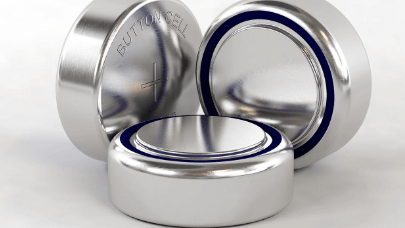
Figure 2: Equivalent Batteries
Common equivalents include the AG10, 189, LR54, and LR55. These batteries are directly interchangeable with the LR1130 as they share the same dimensions and voltage specifications. This makes them suitable for a wide range of devices that originally used the LR1130.
Alternatives like the 389, SR1130, and SR1130SW maintain the same physical size but use silver oxide chemistry instead of alkaline.
Applications of the LR1130 Battery
Its efficient power delivery in a small package makes it ideal for wristwatches, personal digital assistants (PDAs), electronic organizers, and medical devices such as glucometers and digital thermometers.
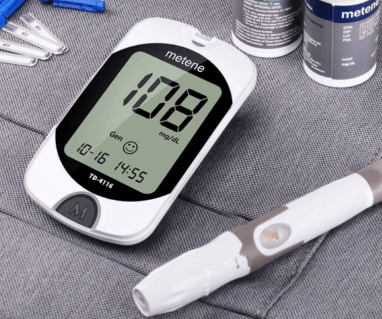
Figure 3: Glucometers and Digital Thermometers
These applications benefit from the LR1130's reliable voltage output and consistent performance, making it a top choice where device effectiveness depends on power quality. The LR1130 is widely used in household items like garage door openers and security systems.

Figure 4: Security System
In these devices, the battery provides the required power to perform daily operations while guaranteeing stability and reliability over time. This is especially dangerous in security applications where a power failure can create vulnerabilities.
LR1130's ability to deliver sustained power is required for devices that are used infrequently but must be ready at a moment's notice, such as emergency flashlights and remote controls.
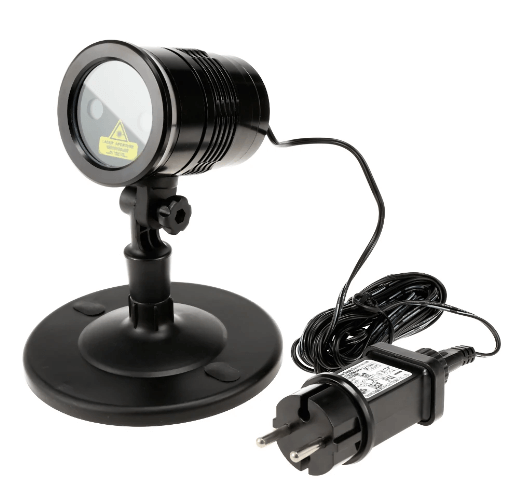
Figure 5: Flashlights
The use of the LR1130 in these varied applications highlights its focal role in not only powering devices but also elevating the user experience by providing reliable, uninterrupted service. This allows users to interact with their devices seamlessly and efficiently.
Technical Specifications of the LR1130 Battery
• Chemical System - Alkaline
This means it is primarily composed of zinc and manganese dioxide.
• Nominal Voltage - 1.5 Volts
The standard voltage for devices that require low power consumption, such as watches, calculators, and digital thermometers.
• Diameter - Approximately 11.6 mm
Its round shape and size are designed to fit into compact battery compartments.
• Height - Approximately 3.1 mm
The slim profile is suitable for thin and small electronic devices.
• Capacity - Typically, around 44 to 68 milliamp hours (mAh)
The capacity can vary slightly depending on the manufacturer and specific battery chemistry.
• Operating Temperature Range - between (-10°C to 60°C)
This range ensures reliable performance under most ambient conditions.
• Shelf Life - 3 to 5 years
Alkaline batteries like the LR1130 have a long shelf life when stored properly in a cool, dry place.
Steps to Installing LR1130 Batteries in Devices
The LR1130 battery has a flat positive end marked with a "+", and a slightly protruding negative end, which aids in correct orientation during installation. Here’s how to properly install the battery:
First, identify the correct orientation by noting the flat positive and protruding negative ends of the battery, as this is required for proper device function and to avoid battery damage. Prepare the device by turning it off to prevent short circuits, and open the battery compartment with the required tools, such as a small screwdriver if required.
Next, carefully insert the battery into the compartment, aligning the positive end of the battery with the positive contact. Gently press the battery into place, guaranteeing the negative end aligns with the negative contact to prevent misalignment, which could lead to poor contact and unreliable performance. Secure the battery by checking that it sits snugly within the compartment, taking care not to dislodge or damage the metallic tabs or contacts, which are focal for a solid electrical connection and consistent functionality.
Finally, close the battery compartment and turn on the device to test its functionality. Immediate testing after installation confirms that the battery is correctly installed and that the device is operating as expected. This thorough approach ensures the battery performs effectively and extends the life of both the battery and the device.
How to Select Compatible Replacement Batteries for the LR1130?
When you need to replace an LR1130 battery, it's a must to choose a compatible alternative to maintain seamless functionality and optimal performance in your device. Various manufacturers offer suitable replacements, each identified by specific part numbers. Notable examples include the Energizer 1130SW, Maxell LR1130W, and Sony LR55, which are all compatible with the LR1130 in voltage, size, and chemical composition, serving as effective substitutes.
To select the correct replacement battery, start by consulting the device’s user manual or manufacturer’s specifications to determine the precise requirements, including size, voltage, and battery chemistry. Next, match the part numbers from the device's specifications with those available in the market to ensure a perfect fit and adequate power delivery, preventing any operational issues. It's also advisable to choose batteries from reputable brands such as Energizer, Maxell, and Sony, known for their quality and reliability across various electronic devices.
Once you've obtained the correct replacement battery, install it carefully by aligning it according to the device's battery orientation guidelines. After installation, test the device to confirm that it operates correctly with the new battery, thus guaranteeing that the replacement process is successful.
Differences Between LR1130 vs. 389
|
|
LR1130 |
389 |
|
Chemistry Composition |
Primarily alkaline, suitable for
low-drain devices like calculators and watches. Known for good shelf life and
cost-effectiveness. |
Available in alkaline and silver oxide;
the latter offers higher energy density and stable voltage, ideal for
dangerous applications like digital thermometers. |
|
Energy Capacity |
Lower compared to 389; sufficient for
everyday electronic devices but may see a decline in performance as the
battery discharges. |
The silver oxide variant has higher
capacity, and maintains steadier voltage output, a must for high-precision
devices, guaranteeing longer run times and consistent performance. |
|
Installing the Batteries |
When replacing with a 389, particularly a
silver oxide variant, check compatibility with the device, including voltage
requirements and battery compartment size. |
Installation requires guaranteeing that
the battery fits properly in the compartment, especially for devices that
require precise power levels. |
|
Operational Subtleties |
Performance may decline as the battery
discharges, affecting device functionality over time. |
Users will notice improved performance,
longer usage duration, and reliability in readings; stable voltage means
fewer recalibrations and a seamless experience. |
Similarities and Differences Between LR1130 and 390 Batteries
|
|
LR1130 |
390 Battery |
|
Physical Dimensions and Voltage |
Both have the same dimensions and provide
1.5 volts, fitting the same battery compartments in various devices. |
Identical to LR1130 in dimensions and
voltage, allowing interchangeability across devices. |
|
Chemical Composition |
Uses alkaline chemistry, ideal for
general-purpose use in low to moderate-drain devices like calculators and
watches. |
Features silver oxide chemistry, which
offers higher energy density and a more stable voltage curve, suitable for
high-precision devices like medical instruments. |
|
Selection and Replacement Process |
Consider chemical composition when
replacing; devices designed for silver oxide may not perform well with the
gradual voltage decline of an alkaline battery. |
Replacement should account for device
requirements due to different chemical properties and performance
expectations. |
|
Installation Subtleties |
Correct orientation and secure fit are required
during installation to avoid damaging sensitive electronic contacts. |
It is the same as LR1130, with added
emphasis on guaranteeing a secure fit to maintain device functionality and
accuracy. |
|
Post-Installation Check |
Immediate operational check is required
after installation to ensure proper function. |
Same as LR1130, it is dangerous to
confirm that the device operates correctly post-installation. |
LR1130 Battery vs. CR1130 Battery

Figure 6: LR1130 Battery vs. CR1130 Battery
|
|
LR1130 |
CR1130 |
|
Chemical Composition |
Alkaline chemistry is suitable for
low-drain devices like watches and calculators. Cost-effective but lower
energy density. |
Lithium chemistry, with higher voltage
and energy density, is ideal for high-performance devices like medical
instruments and fitness trackers. |
|
Voltage and Energy Density |
Typical voltage of 1.5 volts, adequate
for consumer electronics with moderate power needs. |
A nominal voltage of 3 volts, is required
for devices requiring stable, long-lasting energy. |
|
Intended Use |
Optimal for devices with lower power
requirements such as everyday electronics, prioritizing extended battery life
and cost-efficiency. |
Best for demanding applications, offering
consistent power and higher voltage for precise operational accuracy. |
|
Selecting the Right Battery |
Choose based on device requirements;
using a higher-voltage battery like the CR1130 in a low-voltage device could
cause damage. |
Proper selection is required to avoid
damaging devices designed for lower voltage. |
|
Installation Considerations |
Correct orientation during installation
is focal to prevent device malfunctions. |
Higher consequences for incorrect
installation due to higher voltage, potentially leading to device damage or
malfunction. |
|
Device Performance |
Standard performance for everyday use;
upgrading to CR1130 is only advisable if device specifications permit. |
Enhanced performance and longer
operational periods when used in compatible devices, upgrades should be in
line with device specs. |
Safety Considerations for LR1130, SR1130, and CR1130 Batteries
Using small batteries such as the LR1130, SR1130, and CR1130 requires careful attention to safety to ease risks and ensure proper handling. These compact and efficient batteries come with specific hazards that demand strict safety protocols.
Basic safety concerns include the choking hazard they pose, especially dangerous in households with young children, making it required to keep these batteries out of reach to prevent accidental ingestion. If ingested, these batteries can cause serious chemical burns within two hours, with lithium-based batteries like the CR1130 presenting a higher risk of severe internal injuries. There is also an environmental concern as improper disposal can lead to pollution, with the batteries leaching harmful chemicals into the ground, contaminating water sources and soil.
Safety guidelines include storing the batteries in a cool, dry place away from direct sunlight, keeping them in their original packaging until use, and guaranteeing they are out of reach of children and pets. Correct installation is a must; follow the manufacturer’s instructions to avoid battery leakage or rupture, ensure the battery’s polarity matches the device's requirements, and handle it with clean, dry hands to prevent corrosion and damage. Dispose of used batteries responsibly at designated recycling centers to ensure environmentally friendly processing.
Conclusion
The LR1130 battery demonstrates the dangerous role that button cell batteries play in powering a huge range of devices, from the simplest calculators to the most dangerous medical instruments. Its design and chemical composition make it suitable for applications requiring reliable, low-voltage power. While alternatives such as the 389 and CR1130 offer different advantages tailored to specific needs, the LR1130 remains a popular choice due to its balance of performance, durability, and cost-effectiveness. As technology develops, the importance of selecting the right battery for the right application only grows, highlighting the need for continued innovation in battery technology to meet various and evolving electronic requirements.
Frequently Asked Questions [FAQ]
1. What is the difference between LR1130 and lr1130h?
The primary difference between LR1130 and LR1130H batteries is their chemical composition and performance characteristics. The LR1130 typically uses alkaline chemistry, while the LR1130H (or sometimes labeled as AG10H) suggests a high-drain variant, better suited for devices requiring more power. The LR1130H may offer longer life or better performance in high-drain applications.
2. What battery voltage is too high?
A battery voltage that is too high depends on the type of battery. For example, a standard lithium-ion battery used in smartphones typically has a maximum voltage of around 4.2 volts per cell when fully charged. Exceeding this voltage can lead to battery damage, overheating, or potential failure.
3. What voltage should my battery stay at?
The ideal voltage for your battery again depends on its type. Lithium-ion batteries should be kept between 3.6 to 4.2 volts per cell. Lead-acid batteries should be maintained at about 12.6 volts for a 12-volt battery when fully charged, and not drop below 11.6 volts. Alkaline batteries (like LR1130) typically operate around 1.5 volts.
4. Is LR54 the same as LR1130?
Yes, LR54 and LR1130 are the same battery type, referred to by different names. They are both 1.5-volt alkaline batteries with the same physical dimensions, commonly used in small devices like watches, calculators, and digital thermometers.
5. How to test if a battery is good?
Use a multimeter set to the voltage (DC) setting. Touch the multimeter’s probes to the battery’s positive and negative terminals.
For a 1.5-volt alkaline battery (like LR1130), if the reading is close to or above 1.5 volts, it's generally in good condition. If significantly below this, it may need replacing.
For rechargeable batteries, ensure the voltage matches close to what’s expected when fully charged. If it’s significantly lower, even after charging, the battery might be nearing the end of its useful life.
 ABOUT US
Customer satisfaction every time. Mutual trust and common interests.
ABOUT US
Customer satisfaction every time. Mutual trust and common interests.
function test. The highest cost-effective products and the best service is our eternal commitment.
Hot Article
- LM358 Dual Operational Amplifier Comprehensive Guide: Pinouts, Circuit Diagrams, Equivalents, Useful Examples
- Are CR2032 and CR2016 Interchangeable?
- Understanding the Differences ESP32 and ESP32-S3 Technical and Performance Analysis
- Choosing the Right Battery: A Guide to AG4, LR626, LR66, 177/376/377, SR626, and SR626SW Equivalents
- BC547 Transistor Basics: Pinout, Application Circuits, Alternative/Complementary Models
- NPN vs. PNP: What's the Difference?
- esp32 vs stm32: which microcontroller is better for you?
- What Is a MOSFET and How It Works?
- Electrical Relay Basic: Working Operation, Types and Uses
- PNP Transistors: Structure, Working Principle and Application
 Understanding RJ45 and 8P8C Connectors
2024-07-11
 BC547 Transistor Basics: Pinout, Application Circuits, Alternative/Complementary Models
2024-07-10
Hot Part Number
 C1608X7R1E474K080AB
 C2012X5R0J225K085AA
 GRM0225C1E4R1CDAEL
 CC0603ZRY5V6BB474
 UMK316B7474ML-T
 08051U150GAT2A
 GRM1886S1H1R1CZ01D
 T495D476K010ATE080
 TPSE106M050R0500
 APA600-PQ208
- MT47H64M8CF-25E:G
- MC9S12XA512VAL
- IS42S16160B-6TL
- SI8233AD-D-IS
- RT0402DRD072K49L
- CY8C20140-SX2I
- VLF4012AT-100MR79
- SKM150GAL128D
- MC100ELT21DR2G
- MC14040BDTR2G
- LT3971AIMSE#PBF
- T491D107K006ZT7280
- UCC3818N
- INA240A2PW
- IXFP22N65X2M
- LT1999CMS8-50F#PBF
- SN74LVC32ADR
- AD5262BRUZ20-RL7
- ATMXT1666T2-C2U
- BU20360-48L
- ICS950218AFT
- MAX1779EUE+TG104
- MAX202ECWE-T
- MAX8860EUA27
- G5LA-1A4-12V
- HN29V256AOBBP-30
- M66445M1FA
- NFP-2200-A3
- PCD8010H/E31/4
- PEAD22653AFV1QH14NAR
- 6MBP150RTM060
- S29GL032A90FAIR43
- TMR3-1211
- T6TD7XBG-0001
- CS242C001PZ-TRSV
- IBMPPCBWY-GES72914
- SDINBDG4-8G-XI1
- XFL4020-332MEC
- GMOV-14D500K