Choosing the Right Battery: A Complete Guide to LR44, SR44, and Their Equivalents
2024-08-07
75434
Catalog

Figure 1: Button Cell Battery
How to Choose the Right Replacement Battery for Your Devices?
Choosing the right replacement battery can be tricky with various designations like LR44, AG13, SG13, LR1154, SR44, SR44SW, 303, 357, and A76. These are all button-type batteries, and selecting the correct one ensures your devices run smoothly.
Identifying Your Device's Battery Requirements
The manual or battery compartment usually lists the recommended battery type. This ensures compatibility and optimal performance. Manuals also provide voltage, capacity, and dimension details, which are valuable for the right choice. For example, a digital watch manual typically specifies an SR44 battery to ensure it keeps accurate time.
Match the replacement battery's voltage and capacity with the original. For example, replacing an LR44 (1.5V) with an SR44 (1.55V) is usually fine, but not the other way around. Silver oxide batteries often have higher capacity, resulting in longer life. For instance, using an LR44 in a high-drain device may result in the battery dying much quicker than expected.

Figure 2: Different Button Cell Battery Sizes
|
Battery Type |
Model Numbers |
Diameter |
Height |
|
Button Cell |
LR44, AG13, A76 |
11.6mm |
5.4mm |
|
SR44, 357, 303 |
11.6mm |
5.4mm |
|
|
Lithium Coin |
CR2032 |
20mm |
3.2mm |
|
CR2025 |
20mm |
2.5mm |
|
|
Zinc Air |
PR44 (ZA675) |
11.6mm |
5.4mm |
|
NiMH and NiCd |
AA |
14.5mm |
50.5mm |
|
AAA |
10.5mm |
44.5mm |
Chart 1: Common Battery Sizes and Dimensions
The size of a battery may seem like a minor detail, but it can have major implications for your device's performance and longevity. Fit and compatibility are valuable, even the slightest discrepancy in dimensions can prevent a battery from seating properly in its compartment, leading to poor connectivity or outright malfunction. Think of it as trying to fit a square peg into a round hole no amount of force or wishful thinking will make it work seamlessly.
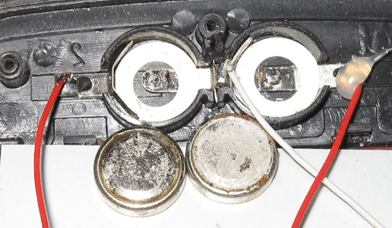
Figure 3: Battery Issue Cause by Incompatibility
If the device manual is not available, use a caliper to measure the diameter and height of the original battery. Always refer to the device manufacturer’s recommendations for battery dimensions and types. And, purchase batteries from reputable sources that provide accurate size information to ensure compatibility.

Figure 4: Caliper for Measuring Battery
Cross-Referencing Battery Equivalents
Understanding battery equivalents can simplify the process of finding the right replacement. Cross-referencing helps identify compatible batteries across different brands or models, ensuring your device maintains optimal performance and longevity.
|
Original Battery |
Equivalents |
Voltage |
Typical Applications |
|
LR44 |
AG13, A76, L1154, LR1154 |
1.5V |
Small gadgets, calculators, laser pointers |
|
SR44 |
357, 303, SR44SW, SR1154 |
1.55V |
Watches, hearing aids, calculators |
Chart 2: Cross-Referencing for LR44 and SR44 Equivalents
Understanding Battery Equivalents
Choosing the right battery for your device can be confusing, especially with designations like LR44, AG13, A76, L1154, and LR1154. Understanding these common batteries and their specific characteristics ensures your devices perform optimally.

Figure 5: LR44 and SR44 Equivalent
2.1 Key Characteristics
Key Characteristics of LR44 and AG13 Batteries
LR44 and AG13 are small, button-cell alkaline batteries often used in low-drain devices due to their cost-effectiveness and availability. They typically deliver a voltage of 1.5V. These batteries are interchangeable with designations like A76, L1154, and LR1154.
Key Characteristics of SR44, 357, and Similar Batteries
SR44, SR44SW, 303, and 357 are silver oxide batteries that offer a stable voltage of 1.55V and a higher capacity than alkaline counterparts do. Their stable discharge curve ensures consistent performance, which is useful for devices needing reliable power.

Figure 6: Alkaline and Silver Oxide Battery
Common Uses for Each Battery Type

Figure 7: Button Cell Battery in a Watch
Alkaline batteries are widely used in low-drain devices because they are cost-effective and available. Common uses include clocks, remote controls, toys, and basic electronics. The LR44, also known as AG13 or A76, is popular for small gadgets, calculators, and laser pointers. Alkaline batteries provide 1.5V, suitable for many everyday devices.
Silver oxide batteries are ideal for high-drain devices, offering a stable 1.55V and higher capacity than alkaline batteries. They are perfect for watches, hearing aids, calculators, and medical instruments. The SR44, also known as 357 or 303, is common in precision instruments where consistent power is needed. Silver oxide batteries are known for their long shelf life and reliability.
|
Aspect |
Alkaline Batteries |
Silver Oxide Batteries |
|
Examples |
LR44, AG13, A76,
L1154 |
SR44, 357, 303,
SR44SW |
|
Voltage |
1.5V (decreases
over time) |
1.55V (stable
throughout lifespan) |
|
Chemistry |
Zinc and
manganese dioxide |
Silver oxide and
zinc |
|
Capacity |
Lower, suitable
for low-drain devices |
Higher, suitable
for high-drain devices |
|
Cost |
Affordable and
widely available |
More expensive |
|
Shelf Life |
Shorter, more
prone to leakage |
Longer, less
prone to leakage |
|
Common
Applications |
Toys, basic
calculators, laser pointers, remote controls |
Digital watches,
medical instruments, precision tools |
|
Advantages |
Cost-effective,
adequate performance for everyday use |
Stable voltage,
higher capacity, longer operational life |
Chart 3: Comparison of Alkaline and Silver Oxide Batteries
Avoiding Common Mistakes in Battery Replacement
Replacing batteries might seem straightforward, but several common mistakes can negatively affect device performance. Here are the most common mistakes to avoid, ensuring devices run smoothly.
Mismatching the Voltage
One of the key mistakes in battery replacement is using a battery with the wrong voltage.
Correct Example: Substituting an SR44 (1.55V) for an LR44 (1.5V) is generally acceptable, as most devices can handle this slight voltage difference without issues.
Incorrect Example: Using a battery with a significantly lower voltage than required can lead to poor performance or device failure. Devices can malfunction if given a 1.2V battery instead of the required 1.5V, leading to erratic behavior.
Ignoring the Capacity
Another common mistake is ignoring the battery's capacity, measured in milliampere-hours (mAh).
Silver oxide batteries typically have higher capacity than alkaline batteries, making them better for devices that need consistent and prolonged power. For example, digital calipers last significantly longer with a silver oxide battery.
However, not matching the replacement battery’s capacity to the device’s needs can result in suboptimal performance and shorter battery life. Cameras, for instance, may die much quicker during shoots if replaced with a lower capacity battery.
Overlooking the Size
Size matters more than one might think when replacing batteries.
Failing to double-check the dimensions of the replacement battery can lead to connectivity issues or prevent the battery from fitting properly in the compartment. Remote controls and other devices might not work if the battery is slightly too small, causing a loose connection.
Using Low-Quality Batteries
Choosing low-quality or counterfeit batteries is a common mistake that can have serious consequences.
Poor-quality batteries are more prone to leakage and can damage devices. Cheap batteries may leak in flashlights or other gadgets, ruining the internal circuitry.
Sticking to well-known brands known for their quality and reliability ensures better performance and longevity. Branded batteries consistently show better performance and longer life.
Neglecting Environmental Impact
Neglecting the environmental impact of battery choices can contribute to pollution and waste.
Silver oxide batteries are generally less harmful and easier to recycle than alkaline ones. Participating in community recycling programs for these batteries highlights the importance of proper disposal.
Opting for environmentally friendly batteries supports sustainability and reduces ecological footprints. Using rechargeable batteries for frequently used devices significantly reduces waste and cost over time.
Conclusion
Selecting the right battery is valuable for maintaining your device's performance and longevity. By understanding the nuances of different battery types and their specifications, you can ensure both compatibility and reliability. Key steps include matching voltage and capacity, verifying size, and choosing reputable brands. Armed with this knowledge, you can confidently replace batteries, ensuring optimal functionality and contributing to environmental sustainability. Stay informed and proactive in your choices to keep your devices powered effectively for the long term, supporting both your tech needs and the environment. Remember, the right battery not only powers your devices but also enhances their efficiency and lifespan.
 ABOUT US
Customer satisfaction every time. Mutual trust and common interests.
ABOUT US
Customer satisfaction every time. Mutual trust and common interests.
function test. The highest cost-effective products and the best service is our eternal commitment.
Hot Article
- LM358 Dual Operational Amplifier Comprehensive Guide: Pinouts, Circuit Diagrams, Equivalents, Useful Examples
- Are CR2032 and CR2016 Interchangeable?
- Understanding the Differences ESP32 and ESP32-S3 Technical and Performance Analysis
- BC547 Transistor Basics: Pinout, Application Circuits, Alternative/Complementary Models
- Choosing the Right Battery: A Guide to AG4, LR626, LR66, 177/376/377, SR626, and SR626SW Equivalents
- NPN vs. PNP: What's the Difference?
- esp32 vs stm32: which microcontroller is better for you?
- What Is a MOSFET and How It Works?
- Electrical Relay Basic: Working Operation, Types and Uses
- PNP Transistors: Structure, Working Principle and Application
 Comprehensive Overview of ADM2483BRWZ: Features, Applications, and Limitations
2024-08-07
 Understanding the LM386 Audio Power Amplifier: Structure, Functionality, and Applications
2024-08-07
Frequently Asked Questions [FAQ]
1. Can I use an LR44 battery in a device that recommends an SR44 battery?
Yes, you can generally use an LR44 battery in place of an SR44 battery. The SR44 is a silver oxide battery with a stable voltage of 1.55V and higher capacity, making it ideal for high-drain devices like digital watches and medical instruments. On the other hand, the LR44 is an alkaline battery with a voltage of 1.5V and is better suited for low-drain devices like basic calculators and toys. While substituting an LR44 for an SR44 may be acceptable for some devices, it might not last as long or provide as consistent performance in high-drain applications.
2. What is the difference in shelf life between LR44 and SR44 batteries?
SR44 batteries generally have a longer shelf life compared to LR44 batteries. Silver oxide batteries, like the SR44, can last up to 5 years or more if stored properly, making them more reliable for devices that may not be used frequently. Alkaline batteries, like the LR44, typically have a shelf life of about 3 years. This extended shelf life of SR44 batteries ensures they maintain their charge longer, providing dependable power when you need it, especially for key devices like medical instruments and precision tools.
3. Why do some devices specify using a silver oxide battery over an alkaline one?
Devices that require a steady and reliable power supply, such as digital watches, medical instruments, and certain cameras, often specify silver oxide batteries (like SR44) over alkaline ones (like LR44) because of their stable voltage output and higher capacity. Silver oxide batteries maintain a consistent voltage throughout their lifespan, ensuring consistent performance, which is useful for devices that need reliable and long-lasting power. Alkaline batteries, while cost-effective and suitable for low-drain devices, do not provide the same level of performance consistency, making them less ideal for high-drain applications.
Hot Part Number
 GRM033R71H471KA12D
 UMK063CG560JTHF
 SQCSVA220JAT1A
 CGA6M2C0G1H683J200AA
 AC1210JKNPOYBN222
 GRM216R71E821KA01D
 C1608X8R2A332M080AE
 1812JA200KAT1A
 0402ZD104KA72A
 1210AC682KAJ1A
- MKE02Z32VLD4
- WM8510GEDS/RV
- Z8018010FSC
- VI-26M-IU
- RT0603BRD072K7L
- 1DI75E-100
- SKKQ3000/14E
- T491D107M010AT4118
- SN74ALS157AN
- T491D475K035AT4280
- T491B106M025ZT
- MURD320T4G
- LMV716MMX/NOPB
- UCC2801PW
- LT1097S8#PBF
- STP26NM60N
- LP3988IMF-3.3/NOPB
- L6398D
- MC10H211FN
- T491D335K050AT2478
- CS4298-KQEP
- DAC084S084CIMM
- HY57V161610ATC-10
- LTC1323CG
- MC74ACT05DR2
- MT46V16M16BG-6
- PC16553DV
- PEF24625EV1.1
- S9S12GN48MLH
- TB6077FNG
- TDA7450N
- TMS320D707E001BRFP
- UPD9977F1-BNB-SSA
- LE79ETR2JC
- SU256M32U80MD2LLG-25BT
- TV00670003AABB
- XC5VLX330T-1FFG1760C
- B72540V300K62
- MC9S08RC60FG-US